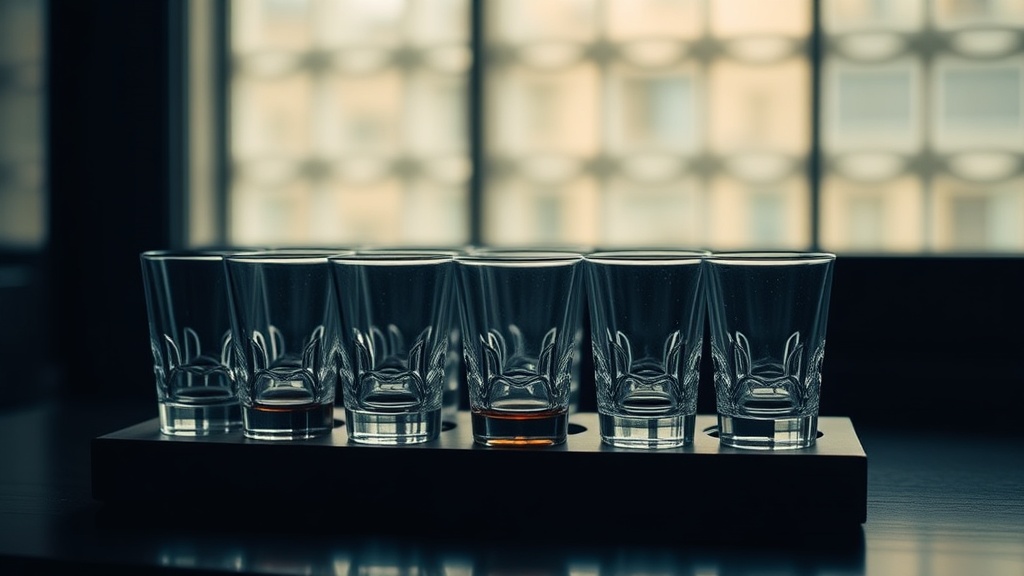
5 Brilliant Ways to Display Your Shot Glass Collection

Wall-Mounted Display Racks
Shadow Box Frames
Glass Cabinet Shelving
Tiered Countertop Stands
Custom LED-Lit Shelves
A shot glass collection deserves better than a dusty shoebox under the bed. Whether you've got five souvenir glasses from Vegas or five hundred spanning six decades, how you display them transforms collecting from a passive hobby into a conversation-starting centerpiece. This post explores five brilliant display methods — from budget-friendly DIY solutions to custom cabinetry — each with practical pros, honest drawbacks, and specific product recommendations that actually work. (Spoiler: the "best" option depends entirely on your space constraints and how often you want to dust.)
What's the Best Way to Display Shot Glasses Without Damaging Them?
Wall-mounted shadow boxes with individual compartments offer the safest, most visually striking solution for most collectors. These enclosed cases protect against dust, accidental knocks, and UV damage while keeping your collection visible and accessible.
Shadow boxes aren't a new concept — they've housed military medals and butterfly specimens for generations. For shot glasses, the magic lies in the cubby arrangement. Each glass sits in its own compartment, preventing the clinking contact that causes chips and wear over time. The Hobby Lobby Collector's Case (12" x 24", $29.99) remains a popular starter option, though serious collectors eventually graduate to custom builds.
Here are the three shadow box styles worth considering:
| Style | Best For | Price Range | Capacity |
|---|---|---|---|
| Pre-made grid boxes | Beginners, standard-sized glasses | $25-$60 | 20-50 glasses |
| Custom-built wood cases | Large collections, specific aesthetics | $150-$400 | 100+ glasses |
| Acrylic display cases | Modern spaces, easy cleaning | $40-$120 | 30-80 glasses |
The catch? Shadow boxes demand wall space and proper mounting. A 50-glass case weighs roughly 15 pounds when full — drywall anchors won't cut it. You'll need studs, or better yet, French cleats for larger installations. (Vancouver-area collectors: Lee Valley Tools stocks excellent hanging hardware and offers free workshops on proper mounting techniques.)
Worth noting: UV protection matters more than most collectors realize. Direct sunlight fades printed graphics and degrades plastic souvenir glasses faster than you'd think. If your display area gets afternoon sun, spring for UV-blocking acrylic or position the case away from windows entirely.
Can You Use Regular Shelves for Shot Glass Display?
Standard floating shelves work beautifully for shot glass collections, provided you add simple modifications to prevent accidents. The open accessibility makes daily enjoyment effortless — no lifting glass panels or unlatching doors just to admire a particular piece.
Floating shelves create a gallery-like presentation that shadow boxes can't match. Your collection becomes part of the room's architecture rather than a separate entity. The IKEA LACK floating shelf ($14.99, 43 inches) handles shot glass weight easily, though you'll want the wider MOSSLANDA picture ledge ($9.99) for added front protection.
Here's the thing about open shelving: shot glasses tip over. Cats, cleaning cloths, enthusiastic guests — any bump sends them tumbling. The solution costs about ten dollars at any hardware store. Install a thin acrylic lip along the shelf front, or use museum putty (reusable, non-damaging adhesive) on the base of each glass. Quake Hold! Putty ($8.49 on Amazon) has held glasses through actual earthquakes — impressive for such a humble product.
Lighting transforms shelf displays from adequate to spectacular. Battery-powered LED strips with motion sensors eliminate wiring headaches. The AUVON USB Rechargeable Closet Light ($19.99 for two) sticks under each shelf and activates when someone enters the room. No electrician required, and the warm white color temperature (3000K) flatters glass colors without that clinical blue tint cheap LEDs often produce.
Arrangement Strategies That Actually Work
Random placement looks chaotic. These three approaches deliver results:
- Chronological storytelling: Arrange glasses left-to-right by acquisition date or travel timeline. Visitors read your collection like a memoir — that Cancun glass from 2019, the pandemic-era online purchases, the road trip finds from last summer.
- Color gradient: Group by dominant color, creating ombré transitions across the shelf. Surprisingly sophisticated for a collection of dollar-store souvenirs.
- Height staggering: Place taller shooter-style glasses at the ends, tapering toward shorter cordial glasses in the center. Creates visual rhythm and prevents the "fence post" monotony of uniform heights.
How Do Collectors Display Oversized or Unusual Shot Glasses?
Custom acrylic risers and modular cube systems accommodate non-standard sizes that won't fit traditional displays — think double-shot barrels, boot-shaped souvenirs, or the increasingly popular 4-ounce "shooter" glasses dominating modern barware.
Standard display solutions assume uniformity. Reality rarely cooperates. That hand-blown glass from Venice? Probably 4.5 inches tall with an irregular base. The NASCAR collector's set from 2003? Each glass features a bulky wraparound graphic that won't slide into grid compartments. For these misfits, modular display cubes save the day.
The Container Store's InterMetro Wire Shelving system ($34.99-$89.99 depending on configuration) adapts to any dimension. Wire cubes snap together in custom arrangements — tall spaces for boot glasses, wide bays for stacked sets, narrow slots for single tallboys. Chrome finish looks industrial-modern; white powder coating suits cottage aesthetics better.
That said, wire shelving has drawbacks. Small glasses wobble on the grid pattern. The solution: lay acrylic sheets across each cube level, or use bar mat material (the rubberized stuff bartenders use) cut to size. KBar Supply sells 12" x 12" bar mat squares for $6.99 — buy three, slice them with scissors, and you've got stable, non-slip surfaces for oddball glassware.
The "Feature Piece" Approach
Not every glass deserves equal billing. Strategic collectors designate one oversized or exceptional piece as the anchor, arranging standard glasses around it like satellites. The Jack Daniel's Barrel Shot Glass (official licensed product, $12.99 at liquor stores nationwide) works perfectly — its distinctive barrel shape draws eyes immediately.
Place feature pieces at eye level or slightly above. Too low and they get overlooked; too high and dust accumulates unnoticed. The sweet spot? 58-62 inches from the floor — roughly the center of standard wall space for average-height viewers.
Are There Display Options for Renters Who Can't Drill Walls?
Freestanding display towers and countertop carousels offer excellent visibility without permanent installation — perfect for apartments, dorm rooms, or collectors who rearrange constantly. These portable solutions sacrifice some dust protection for maximum flexibility.
Command strips fail eventually. Adhesive hooks drop without warning. For renters serious about display without damage claims, freestanding units eliminate risk entirely. The DISPLAY GALLERY 6-Tier Acrylic Tower ($47.99 on Wayfair) spins 360 degrees, holds approximately 72 standard glasses, and fits on a bookshelf or side table. Crystal-clear construction keeps focus on your collection, not the container.
Here's the thing about towers: they eat vertical space. A six-tier unit stands 28 inches tall — fine for credenzas, overwhelming on narrow console tables. Measure twice. Also worth considering: stability on carpet versus hardwood. The base spreads just 12 inches square, making tip-overs possible in high-traffic areas or homes with enthusiastic dogs.
Countertop carousels serve smaller collections brilliantly. The Oggi 20-Jar Revolving Spice Rack ($39.99, repurposed) accommodates roughly 24 shot glasses on two rotating tiers. Stainless steel construction resists rust in humid bathrooms (some collectors store toothbrush-shot-glass combos — not judging). The rotation mechanism lets you access back-row glasses without shuffling everything forward.
The China Cabinet Compromise
Grandma's china cabinet isn't just for teacups. These furniture pieces offer enclosed protection, adjustable shelving, and zero wall damage — the holy trinity for apartment collectors. Check Facebook Marketplace or estate sales; solid wood cabinets sell for $50-$150 in most markets, a fraction of their original cost.
Modify the interior for glass-specific display:
- Remove one shelf to accommodate taller shooters
- Add battery-powered puck lights (the Home Depot Ecolight Wireless LED 3-Pack for $19.97 works well)
- Line shelves with dark felt to prevent sliding and create contrast against clear glass
What About Displaying Shot Glasses in Home Bars?
Integrated bar displays using speed rails, backbar shelving, or under-cabinet holders merge collecting with function — turning your hobby into usable barware while maintaining visual appeal. This approach suits active entertainers better than preservation-focused collectors.
The backbar is prime real estate. Shot glasses arranged on tiered liquor bottle shelves (sometimes called "speed racks") sit at perfect grabbing height while adding color and personality behind your bottles. True speed rails are metal and utilitarian; for display purposes, acrylic three-step risers ($15.99 at restaurant supply stores) create the same effect with better visibility.
Under-cabinet glass hangers represent the ultimate space-saver. These narrow racks mount beneath kitchen or bar cabinets, holding glasses inverted by their bases. Moisture drains away, preventing that musty smell glasses develop when stored upright with residual water spots. The SimpleHouseware Under Cabinet Wine Glass Rack ($13.87) technically holds wine glasses, but the slots accommodate most shot glass bases perfectly. Install two parallel racks staggered by two inches — instant double-decker storage using zero counter space.
"The best display is one you'll actually maintain. A dust-covered shadow box in the garage helps nobody. Start with what you'll interact with weekly, then expand." — Noah Vega, Vancouver Shot Glass Collector
The honest truth? Most collectors use hybrid approaches. Shadow boxes for rare or sentimental pieces. Open shelving for daily-rotation favorites. A carousel on the desk for recent acquisitions awaiting permanent placement. There's no single "right" method — just the method that keeps your collection visible, protected, and genuinely enjoyed rather than merely accumulated.
Start with one display solution that fits your current space and collection size. As the hobby grows (and it will — shot glass collecting has a way of expanding exponentially), your display strategy can evolve too. The glasses have waited this long for proper presentation. A few more weeks of planning beats a hasty purchase you'll regret when the third cheap shadow box cracks during installation.