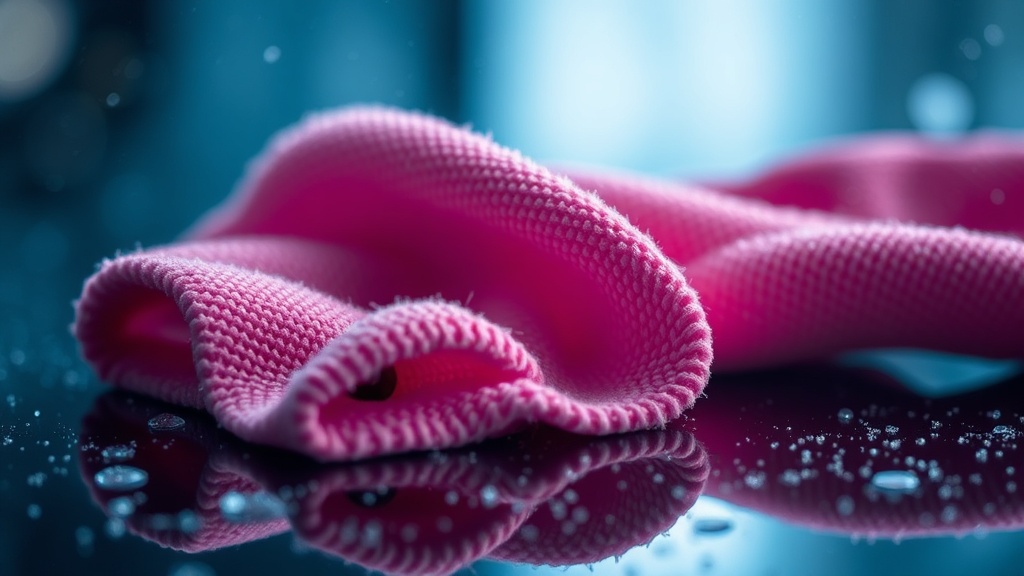
Avoid Micro-Scratches with Soft Microfiber Cloths

Quick Tip
Always use a high-quality microfiber cloth rather than paper towels to prevent fine scratches on delicate glass surfaces.
A single speck of grit on a display shelf can feel like a mountain when you're looking through a magnifying glass. This post focuses on how to prevent micro-scratches on glass surfaces using high-quality microfiber cloths. If you collect vintage shot glasses or delicate glass bottles, even the smallest piece of dust can act like sandpaper during a routine cleaning.
Why do micro-scratches happen on glass?
Micro-scratches happen when abrasive particles—like dust, sand, or dried residue—are rubbed against a surface with too much pressure. Even if a piece of glass looks clean, tiny particles of silica or grit often sit on the surface. When you use a standard paper towel or a rough kitchen rag, you're essentially grinding those particles into the glass. It's a subtle process, but over time, it dulls the shine of your most prized pieces.
To keep your collection in pristine condition, you should avoid using paper towels or clothing entirely. Paper towels are actually quite abrasive (they're designed to absorb, not to polish) and can leave behind lint that's a pain to remove.
What is the best cloth for cleaning shot glasses?
The best cloth for cleaning shot glasses is a high-quality, 100% polyester or a blend of microfiber designed for optical use. These cloths are engineered with much finer fibers that trap dust inside the cloth rather than pushing it across the surface.
When you're handling items like a vintage shot glass or a delicate glass decanter, the type of material matters. I've found that using a dedicated lens cloth is much safer than a general-purpose cleaning rag.
- Optical Microfiber: Best for high-gloss surfaces and removing fingerprints without leaving lint.
- Cotton Cloth: A decent secondary option, but it can leave behind fibers.
- Paper Towels: Avoid these at all costs—they are too abrasive for fine glass.
I always keep a small kit nearby when I'm dusting my shelves. It's a good habit to follow the advice found in caring and displaying your shot glass collection to ensure your pieces stay bright. If you're working with highly reflective surfaces, a dedicated lens cloth is your best friend.
How should I clean my glass-based collectibles?
You should use a light touch and a clean, dry microfiber cloth to remove surface dust. If there is a stubborn residue, a very slight dampness is okay, but never soak the item unless it's a sturdy, non-decorated piece.
| Method | Risk Level | Best Use Case |
|---|---|---|
| Dry Microfiber | Very Low | Daily dusting of display shelves. |
| Damp Cloth | Low | Removing dried water spots or fingerprints. |
| Paper Towels | High | Never use on fine or vintage glass. |
One thing to keep in mind: always blow the dust off the glass with your breath or a canned air duster before you touch it with a cloth. This removes the heavy grit that causes the most damage. If you don't, you're just moving the problem around. For more advanced maintenance, check out my post on protecting your collection from damage.