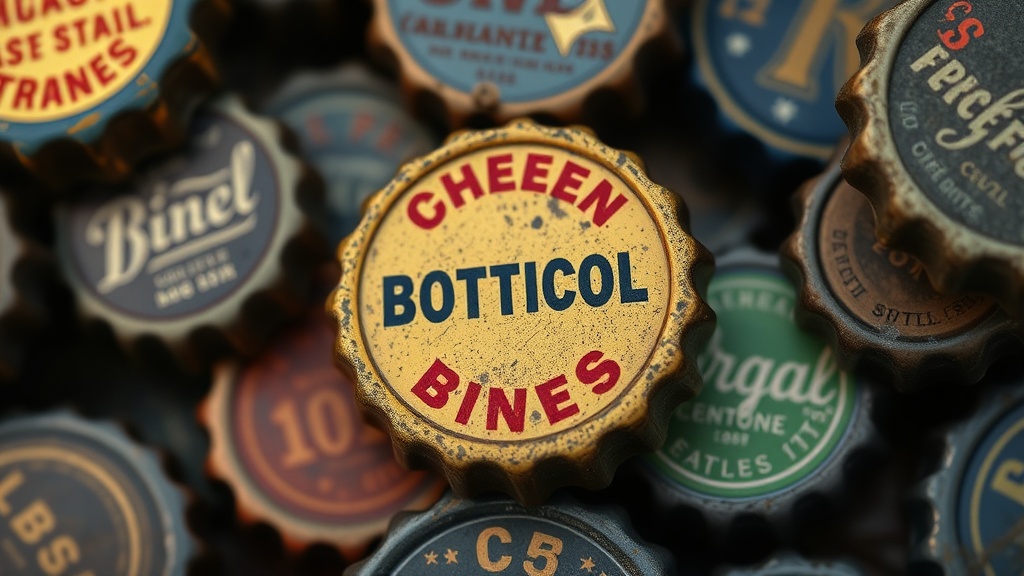
Cataloging Rare Vintage Bottle Caps Without Damaging the Patina

How do you identify rare cork-lined bottle caps?
A single bottle cap sold for over $1,500 at a specialized auction recently—a staggering price for something most people toss in the trash without a second thought. While billions of these tiny metal discs are stamped out every year, the vintage market is a different beast entirely. This guide walks through the systematic process of identifying, cleaning, and cataloging your bottle cap collection to ensure your smalls stay organized and their history remains intact. It matters because a messy collection is just a pile of metal, but a cataloged one is a documented archive of commercial history. If you're based in Vancouver like I am, you've probably stumbled across old Lucky Lager or local soda caps at flea markets; knowing how to handle them makes all the difference.
Identifying the age of your finds is the first step in any cataloging project. The crown cork—patented by William Painter in 1892—has gone through several iterations that help date them almost instantly. If you flip a cap over and see a thin layer of natural cork, you're looking at something produced before the mid-1960s. These are the gold standard for many smalls collectors. You'll sometimes find "spot caps," which feature a small silver or aluminum disc in the center of the cork to prevent the beverage from tasting like wood. If the liner is gray or white plastic, it's a modern variant (usually post-1970). You'll also want to look at the skirt—the crimped edge of the cap—to see if there's any text or "factory marks" identifying the specific plant that stamped the metal.
What tools do you need to catalog small collectibles?
You don't need a high-tech lab to keep your collection in order, but a few specific items are vital for proper documentation. A 10x jeweler's loupe is your best friend for spotting tiny manufacturer marks often hidden near the rim or under the crimp. A digital caliper helps measure exact diameters, which is handy for identifying odd-sized caps from early 20th-century soda brands. For the digital side, a basic spreadsheet works well, but many collectors use dedicated platforms like The Crowncap Collectors Society International to cross-reference their finds with known variants. Don't forget a soft microfiber cloth; never use abrasive cleaners or steel wool on vintage tinplate, as you'll strip the original paint and destroy the value instantly.
Grading is another area where tools and patience come together. Most collectors use a 1-to-5 scale, where Grade 1 is a "mint" cap with no scratches or rust, and Grade 5 is a "filler" cap that's barely legible. When you're cataloging, note the presence of "ghosting"—where the paint has faded but left a silhouette of the original brand—and any signs of "re-capping," which is when a cap has been bent back into shape after being pried off a bottle. Documentation should include the brand, the flavor (for sodas), the city of origin, and the liner type. This level of detail is what separates a casual hobbyist from a serious archivist.
Where should you store a growing collection of caps?
Storing smalls is a balancing act between visibility and protection. Many collectors use 2x2 coin flips or pocket pages designed for coin collectors. This keeps the caps from scratching each other while allowing you to flip through a binder like a photo album. If you're looking for a more permanent display, flat-file cabinets or repurposed printers' trays are popular choices, though you've got to ensure the trays aren't treated with harsh chemicals that could cause the metal to oxidize. Moisture is the ultimate enemy here—rust can spread from one cap to another if they're stored in a damp environment. Using silica gel packets in your storage bins is a smart move to keep the air dry.
Cleaning vintage caps is a delicate dance. You aren't trying to make them look brand new; the patina is a huge part of the historical value. Use a single drop of mild dish soap in lukewarm water. Avoid soaking cork-lined caps, as the cork can swell and crumble when it dries out. Instead, use a damp Q-tip to gently lift grime from the surface. If you see active "red rust," you can stop it with a tiny bit of mineral oil on a cotton swab, but be careful not to let it soak into the cork liner. For more detailed dating techniques, especially for bottle-related smalls, the Society for Historical Archaeology provides incredible resources on glass and metal dating.
| Condition Grade | Description | Typical Value Factor |
|---|---|---|
| Grade 1 (Mint) | Perfect paint, no rust, original shape. | 100% Market Value |
| Grade 2 (Near Mint) | Minor scratches, no visible rust. | 75% Market Value |
| Grade 3 (Good) | Some wear, tiny rust spots on edges. | 40% Market Value |
| Grade 4 (Fair) | Significant fading or heavy edge rust. | 15% Market Value |
| Grade 5 (Filler) | Poor condition, barely readable. | 1-5% Market Value |
Researching the rarity of your caps often leads to fascinating local histories. Small-town bottling plants in the mid-century often had unique caps that were only used for a few years, making them highly sought after today. Sites like Collectors Weekly offer community forums where you can post photos of unidentified caps to get help from experts. It's common to find caps from brands that no longer exist, like old Vancouver-based "Crystal Soda" or forgotten regional breweries. Tracking these down in old newspaper archives or local museum records can be just as rewarding as finding the cap itself. Every tiny disc is a piece of the commercial puzzle of the past, and proper cataloging ensures that puzzle stays complete for the next generation of collectors.