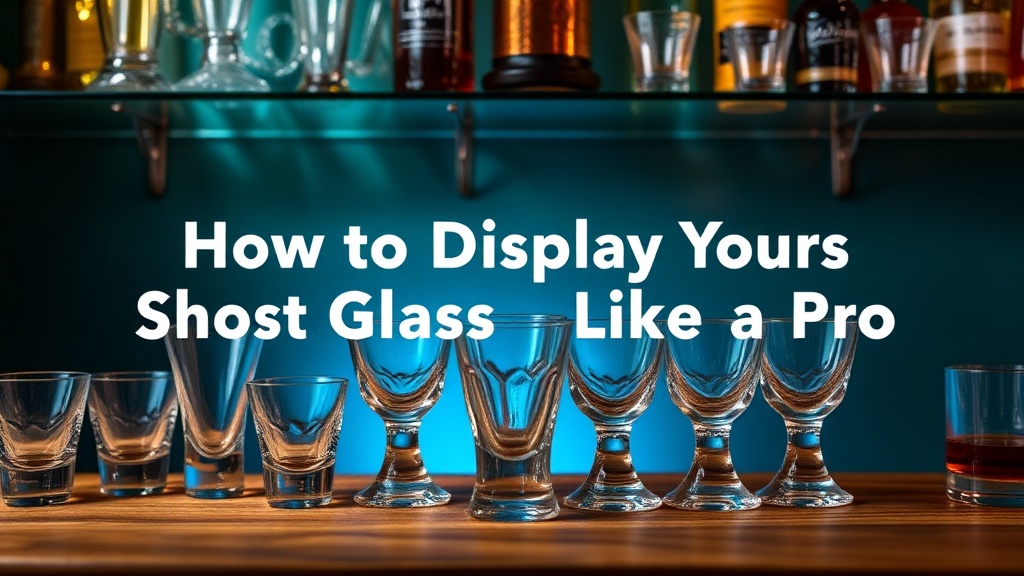
How to Display Your Shot Glass Collection Like a Pro

Displaying a shot glass collection transforms scattered souvenirs into a showcase that sparks conversation and protects the investment. This guide covers wall-mounted solutions, cabinet arrangements, lighting techniques, and creative displays—everything needed to present shot glasses with style while keeping them dust-free and accessible.
What's the Best Way to Display Shot Glasses on a Wall?
Wall-mounted display cases offer the most space-efficient solution for growing collections. These setups keep glasses visible while freeing up shelf space for other collectibles.
Shot glass display cases come in several configurations. Shadow box frames work well for themed subsets—perhaps a dozen glasses from National Park visits or a complete set of Hard Rock Cafe locations. These frames typically hold 12-24 glasses arranged in neat grids, protected behind glass.
For larger collections, consider multi-tier wall shelves. The Rebrilliant 6-Tier Wall Mount Display Shelf accommodates up to 60 standard-sized shot glasses. The staggered design ensures each glass remains visible from below.
Here's the thing—wall displays require careful mounting. Shot glasses filled with liquid weigh roughly 3 ounces each; empty glasses with thick bases still carry weight. Use wall anchors rated for at least 50 pounds, and locate studs whenever possible. Collections grow heavier than expected.
One Vancouver collector (Noah Vega from shotglasses.blog) recommends floating acrylic shelves for modern aesthetics. These clear supports create an illusion of glasses hovering against the wall. The look suits minimalist interiors but demands precise installation—any slight angle sends glasses sliding.
Wall Display Pros and Cons
| Option | Capacity | Protection | Cost Range |
|---|---|---|---|
| Shadow box frames | 12-24 glasses | Excellent (enclosed) | $40-$120 |
| Open wall shelves | 40-100+ glasses | Moderate (dust exposure) | $25-$80 |
| Acrylic floating shelves | 10-30 glasses per shelf | Low (open design) | $15-$40 per shelf |
| Curio wall cabinets | 30-60 glasses | Excellent (glass doors) | $150-$400 |
How Do You Organize a Large Shot Glass Collection in a Cabinet?
Freestanding curio cabinets provide the gold standard for serious collectors—enclosed protection, adjustable shelving, and substantial capacity for collections exceeding 100 pieces.
The IKEA BILLY/OXBERG combination remains popular among collectors for good reason. At $89 for the bookcase plus $60 for glass doors, it offers adjustable shelves that accommodate varying shot glass heights. The 31.5-inch width fits standard wall spaces, and the glass doors keep dust at bay.
That said, standard shelf spacing often wastes vertical space. Shot glasses average 2-3 inches tall; cabinet shelves typically sit 12-15 inches apart. Consider adding acrylic risers—tiered platforms that create multiple display levels within a single shelf space. Amazon sells clear 3-tier risers (roughly $20 for a set) that effectively triple capacity.
Organization strategies vary by collector personality. Some arrange chronologically by acquisition date—each glass marking a specific trip or event. Others group by theme: travel destinations, distilleries, sports teams, or holiday designs. Alphabetical by location works for reference-minded collectors.
The catch? Mixed-height glasses create visual chaos. A standard 2.5-inch souvenir glass beside a 4-inch boot-shaped stein from Germany disrupts clean lines. Consider separating oversized pieces into their own section or displaying them as featured items on top of the cabinet.
For maximum density, specialized shot glass cabinets exist. Companies like DisplayGifts manufacture cases specifically designed with 2.5-inch shelf spacing—no wasted air above each glass. These units often include mirrored backs that create depth illusion, making collections appear twice as large.
What Lighting Works Best for Showcasing Shot Glass Collections?
Proper lighting transforms a decent display into a stunning showcase. Shot glasses—particularly those with etched designs, colored glass, or metallic rims—respond dramatically to strategic illumination.
LED strip lights offer the most flexible solution. These adhesive-backed ribbons install easily under cabinet shelves, casting downward light that makes glass surfaces sparkle. Choose warm white (2700K-3000K) rather than cool daylight tones; warm light complements amber and colored glasses without harsh shadows.
Remote-controlled RGB strips add versatility. A collector might select blue backlighting for a nautical-themed section or red tones around holiday glasses. The Philips Hue Lightstrip Plus integrates with smart home systems, allowing scheduled lighting changes or voice activation.
Worth noting—direct overhead lighting creates glare on glass surfaces. Angle lights from above and slightly forward (about 15 degrees) rather than straight down. This positioning highlights the glass contents while minimizing reflection spots that obscure viewing.
For wall-mounted displays, puck lights work well. These small, battery-operated discs attach with adhesive or small screws, providing focused illumination without visible wiring. Most include timers—useful for displays in rooms where lights get forgotten.
Natural light presents a double-edged sword. Sunlight makes colored glass absolutely sing. Unfortunately, it also fades printed designs and damages delicate materials over time. If displaying near windows, rotate glasses periodically and consider UV-filtering film on window glass.
Quick Lighting Comparison
- LED strips: Best for cabinets, even coverage, requires power outlet nearby
- Puck lights: Ideal for wall displays, battery-powered, easy to reposition
- Picture lights: Mounted above frames, traditional aesthetic, excellent for shadow boxes
- Recessed spots: Professional installation, dramatic effect, higher cost
Creative Display Ideas Beyond Standard Shelves
Not every shot glass belongs in a cabinet. Some pieces demand unconventional presentation.
Repurposed furniture offers character that manufactured display cases lack. Old printer's type drawers—originally designed to hold metal letter blocks—contain dozens of small compartments perfectly sized for shot glasses. These hang on walls or rest on tabletops, adding vintage industrial charm. Estate sales and antique shops occasionally yield these gems for $30-$75.
Magnetic knife strips (the kind usually mounted in kitchens) hold metal-rimmed shot glasses horizontally. This approach works surprisingly well for modern collections with stainless steel bands. The Magnabar magnetic strip supports substantial weight and creates a floating, minimalist aesthetic.
Consider context-appropriate displays. A collection acquired during cruise vacations might live in a shadow box lined with nautical maps. Bourbon-tasting glasses from Kentucky distillery tours? Mount them on reclaimed barn wood for rustic authenticity.
Rotating display stands—typically marketed for retail products—add dynamism to prized pieces. Small battery-operated turntables (available on Amazon for $15-$25) slowly rotate featured glasses, catching light from multiple angles. These suit entryways or desk corners where they draw attention.
One word of caution about creative displays: accessibility versus protection. Open wall hooks or wire grids look fantastic on Pinterest. They also collect dust rapidly and risk accidents from passing sleeves, pets, or cleaning cloths. Reserve truly open designs for glasses that get handled regularly—daily-use pieces rather than rare collectibles.
Maintaining and Protecting Your Display
Display maintenance matters. Dust accumulates quickly on glass surfaces, and finger oils from handling leave visible marks.
Establish a cleaning rhythm. Weekly dusting with a microfiber cloth prevents buildup. Monthly, remove glasses and wipe display surfaces thoroughly. Quarterly, wash glasses individually in warm water with mild dish soap—skip the dishwasher, which damages printed designs and etched details.
Documentation protects investment value. Photograph each glass, noting acquisition date, location, and any provenance. Store receipts for limited editions or commemorative pieces. Apps like Colnect offer database features specifically for shot glass collectors, including estimated valuations.
Environmental factors affect longevity. Keep displays away from heating vents and fireplaces—temperature fluctuations stress glass and accelerate material degradation. Maintain moderate humidity; extremely dry air makes wooden display components shrink and crack.
Insurance considerations apply to substantial collections. Standard homeowner's policies often cap collectibles coverage at $1,000-$2,500. Riders or specialty collectibles insurance (through companies like Collectibles Insurance Services) provide proper protection for collections worth thousands. Photograph everything and keep purchase records in cloud storage.
Finally, plan for growth. Every display system eventually reaches capacity. Leave room to expand—whether that's empty shelf space, wall area for additional cabinets, or simply organizational systems that accommodate new acquisitions. The collection tells an ongoing story; the display should too.
Steps
- 1
Choose the Right Location for Your Display
- 2
Select a Display Method That Fits Your Space
- 3
Arrange and Light Your Collection for Maximum Impact