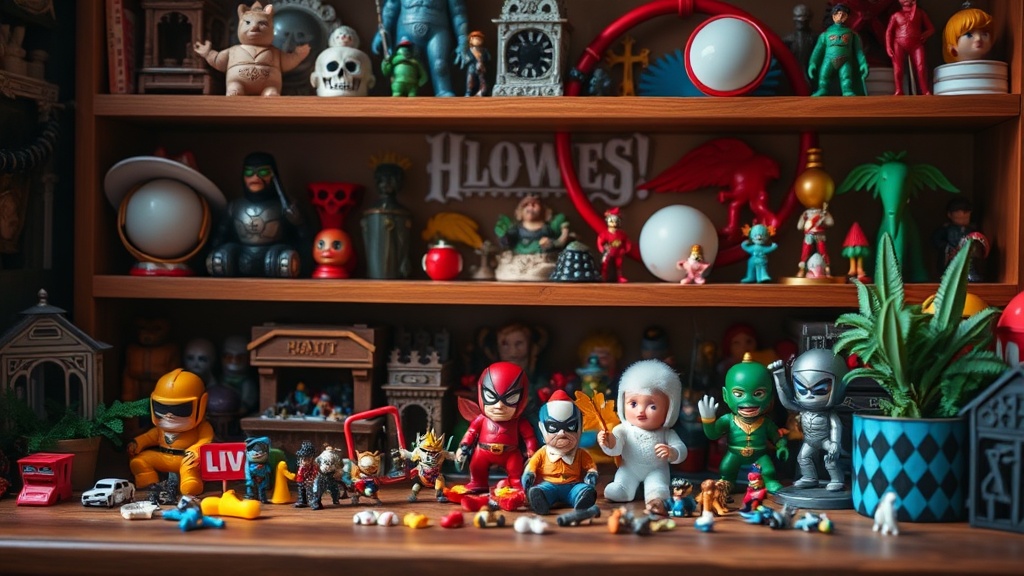
Organizing Small Collectibles by Color and Theme

What You Will Learn About Organizing Small Collections
This post covers the specific methods for organizing small-scale collectibles—specifically shot glasses, bottle caps, and small glass pieces—by color and thematic elements. Organizing a collection isn't just about making things look neat; it's about creating a visual system that helps you identify pieces quickly and appreciate their aesthetic value. You'll learn how to group items without causing damage and how to decide between a color-based or theme-based layout.
Collectors often struggle with the sheer volume of small items. When you have dozens of shot glasses or hundreds of vintage bottle caps, a pile isn't a collection—it's a mess. A well-organized collection acts as a personal museum. It allows you to spot a new acquisition's place immediately and makes showing your collection to guests much more intuitive. We'll look at how to move from a random assortment to a curated display.
How Can I Group Small Items by Color Without Damaging Them?
Color-coded displays are striking, but they require a bit of care. When you're grouping glass-based items, you have to be mindful of how they touch. If you're placing a bright red shot glass next to a deep blue one, ensure the surfaces aren't grinding against each other during any movement.
The best way to start is by grouping by saturation. You might have a section for bright, primary colors and another for muted or pastel tones. This creates a gradient effect that is very pleasing to the eye. For bottle caps, color grouping is actually much easier because they are flatter and more uniform. You can use specialized dividers or even small, shallow trays to keep these distinct color groups from bleeding into one another. If you're working with metal caps, be aware that certain colors might be more prone to oxidation if they aren't stored in a dry environment.
- Use Acrylic Dividers: Clear dividers keep different color groups from mixing.
- Watch for Scratches: Never slide glass pieces against each other to change positions.
- Check the Light: Color looks different under warm light versus cool LED light.
If you want to see how professional curators handle delicate objects, check out the guidelines on the Library of Congress digital collections for inspiration on how items are categorized. Even though they deal with larger scales, the logic of categorization remains the same.
Should I Organize My Collection by Theme or Color?
This is the age-old debate among collectors. There isn't a single right answer, but there are clear advantages to each. A color-based organization is purely aesthetic. It looks spectacular on a shelf and works well if your pieces vary wildly in shape or style. If you have a vintage green glass shot glass and a green patterned bottle cap, they can sit near each other to create a cohesive visual flow.
A theme-based organization, on the other hand, is about the story. You might group all your "European Travel" pieces together, regardless of their color. This is great for storytelling. If you're a collector who enjoys the history behind the items, grouping by era or region is much more rewarding. You might have a "1970s Americana" section and a "Mid-Century Modern" section.
| Method | Best For | Main Advantage |
|---|---|---|
| Color-Based | Visual Impact | Creates a striking, gradient-style display. |
| Theme-Based | Storytelling | Helongs you remember the history/origin. |
| Hybrid | Versatility | Combines aesthetic beauty with logic. |
The most effective collectors often use a hybrid approach. You might have a shelf dedicated to a specific theme (like "Coastal/Beach Finds") and within that shelf, you organize the items by color. This keeps the display looking intentional rather than chaotic.
What Are the Best Tools for Displaying Small Items?
The tools you use can make or break your display's longevity. For shot glasses, tiered risers are a staple. They allow you to see the back row without the front row obscuring the view. For bottle caps, small shadow boxes or specialized coin displays work wonders. You want to avoid anything that uses aggressive adhesives; you don't want to permanently stick a piece to a display board.
If you're looking for high-quality display materials, looking at specialized museum supply sites can give you ideas for professional-grade stands. Even small, inexpensive adjustments to your shelving can make a huge difference. For instance, using a small piece of museum wax (often called "sticky tack" in its non-museum form) can help stabilize a slightly wobbly shot glass on a tiered stand.
One thing to keep in mind is the weight of the items. If you're using acrylic risers, make sure they are rated for the weight of your glassware. Heavy, thick-walled vintage shot glasses can easily crack cheap, thin plastic if they aren't supported properly. Always check the weight capacity of your display furniture. If you're curious about the structural integrity of different materials, the National Institute of Standards and Technology provides great resources on material properties and testing, which can be a useful reference for understanding durability.
Remember, your collection is a living thing. As you acquire more pieces, your organization system will need to evolve. Don't be afraid to rearrange your shelves every few months. A fresh layout can make an old collection feel new again, and it gives you a chance to rediscover pieces you might have overlooked in a previous setup.