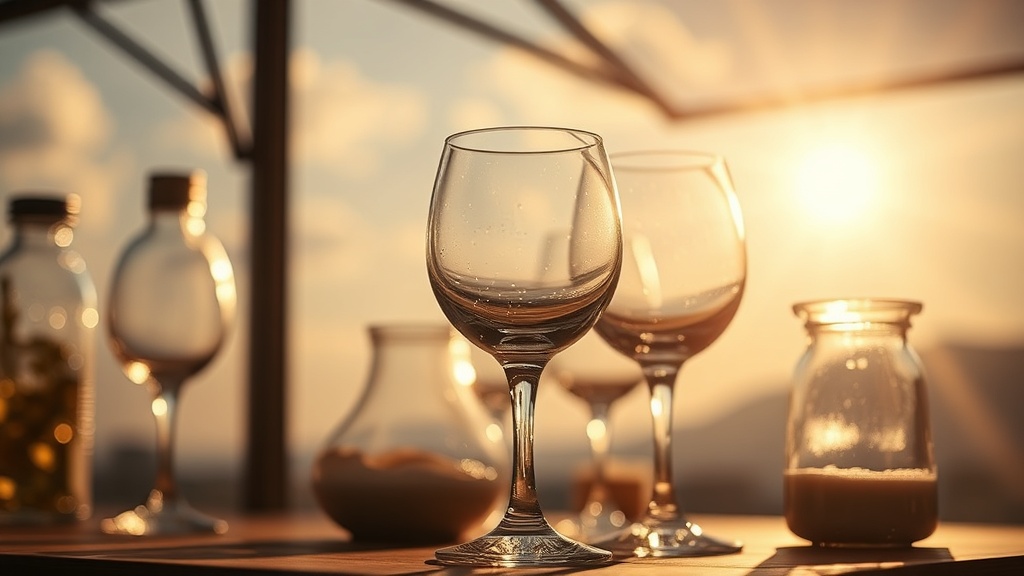
Protecting Your Glassware From Sunlight and Heat

Why light exposure ruins vintage glassware
Did you know that certain types of colored glass, particularly those with high manganese content, can actually darken or change hue when exposed to UV rays over long periods? It isn't just about aesthetics; light and heat are silent degraders of your collection. This post covers how to position your shot glass display to prevent sun damage, how to manage heat-related expansion, and why your lighting choices matter more than you think. If you've spent years hunting for that perfect piece, you don't want a nearby window to turn it into a dull, discolored version of itself.
Collecting isn't just about the hunt; it's about the preservation. Most collectors focus on avoiding scratches or chips—which are easy to see—but they often overlook the slow, invisible damage caused by the environment. Whether you're displaying a neon-colored 1980s souvenir or a delicate mid-century piece, the way you treat your display space determines how long that luster stays intact.
How do I prevent sun damage on shot glasses?
Sunlight is the enemy of many pigments used in vintage glassware. If you have a collection featuring bright reds, deep purples, or certain neon shades, UV light can lead to a process called photo-degradation. This doesn't just make the glass look "faded"; it can actually alter the chemical structure of the surface coating or the glass itself.
To keep your pieces looking sharp, follow these steps:
- Use UV-filtering films: If your display cabinet is near a window, apply a clear UV-protective film to the glass. It's a cheap way to block the harshest rays without losing the natural light of the room.
- Avoid direct sunlight: Never place a display case in a spot where a direct beam of sun hits it for more than an hour a day. Even if the glass looks fine now, the cumulative effect of UV exposure is permanent.
- Check your pigments: Be extra careful with hand-painted or printed designs. The ink or paint used in vintage souvenirs is often more susceptible to fading than the glass itself.
It's better to be proactive than to realize too late that your favorite piece has lost its vibrance. A quick check of your light levels can save a lot of heartache.
Can heat affect my display setup?
Heat causes things to expand—physics doesn't care about your collection. In a display case, heat can lead to two main issues: thermal expansion and the degradation of adhesives. If you use shelving with built-in lights, the heat generated can be a real problem for the glass and the structure holding it.
<Consider these thermal management tips:
- Watch the light source: If you're using halogen bulbs in a cabinet, stop. They generate significant heat. Switch to LEDs, which run much cooler and won't bake your collection.
- Airflow is your friend: Ensure there is a way for air to circulate within your display. A sealed, airtight case can act like a greenhouse, trapping heat and raising the internal temperature far above the room's ambient temperature.
- Monitor the shelf material: Wood can warp under heat, and metal can expand. If your shelves are part of a larger furniture piece, ensure they aren't being subjected to localized heat from nearby electronics or radiators.
If you're curious about the chemical stability of different glass types, checking out resources like the