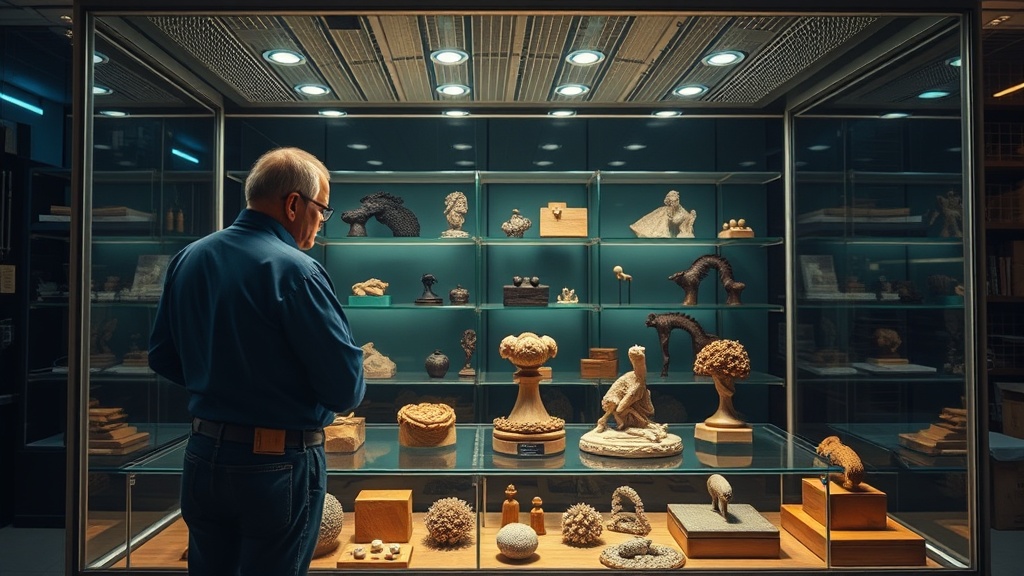
Setting Up a Temperature Controlled Display Case

A collector in the UK recently lost a significant portion of a rare cobalt blue glass collection due to a sudden spike in humidity and heat during a summer heatwave. The moisture caused the labels on certain bottles to peel and even triggered minor oxidation on some of the metal caps. This post covers how to build and manage a temperature-controlled display case to protect your bottles, caps, and small-scale collectibles from environmental damage.
Collectors often focus on the aesthetics of a display, but the environment inside that glass case is what actually determines the longevity of your items. If you're storing vintage shot glasses or rare spirit bottles, you're fighting two enemies: temperature fluctuations and humidity. High heat can degrade certain adhesives and pigments, while moisture leads to mold or metal corrosion. Getting this right means your collection stays in mint condition for decades.
Why Does Temperature Control Matter for Collectors?
Temperature control prevents the expansion and contraction of materials that can lead to cracks, label peeling, or structural failure. For collectors of glass and metal, stability is the goal. When a room gets hot during the day and cold at night, the constant "breathing" of the materials puts stress on the items. This is especially true for vintage glassware where the glass might have internal stresses from the manufacturing process.
If you've ever seen a vintage bottle with a cracked label, it wasn't just bad luck. It was likely a result of high humidity or heat cycles. Even small items like collectible caps or metal tokens can suffer if the air is too damp. According to the principles of conservation science, maintaining a stable environment is the single best way to prevent irreversible decay.
It's also about the value of your collection. A pristine, unblemed piece fetches a much higher price than one with a faded label or a rusted cap. You aren't just displaying a hobby; you're protecting an investment. (And let's be honest, a slightly rusted cap on a high-end collectible is a heartbreak nobody wants.)
How Much Does a Temperature Controlled Display Case Cost?
The cost of a temperature-controlled display case varies widely, ranging from $200 for a DIY setup to over $5,000 for professional-grade museum-style cabinets.
Here is a breakdown of the three most common approaches to temperature and humidity management:
| Method | Estimated Cost | Pros | Cons |
|---|---|---|---|
| DIY (Dehumidifiers/Fans) | $50 - $150 | Very cheap; easy to start. | Hard to maintain precise levels. |
| Smart Display (Sensors/Controlled Air) | $300 - $800 | Great balance of cost and precision. | Requires some technical setup. |
| Professional Cabinet | $2,000+ | Set it and forget it; extremely reliable. | High entry price. |
If you are working with highly fragile items, you might want to look into professional archival display guidelines provided by the Library of Congress. While they focus on documents, the logic for controlling light and heat applies perfectly to glass and metal collectibles.
Don't overspend too early. Start by monitoring your current environment. If your room temperature swings more than 10 degrees in a single day, you definitely need a dedicated solution. If your room is stable, a simple glass cabinet might suffice without heavy machinery.
What Equipment Do I Need for a Display Case?
You need a combination of a high-quality glass enclosure, a digital hygrometer, and a consistent airflow system. A hygrometer is your most important tool because it tells you the relative humidity (RH) levels. Without a way to see what's happening inside the case, you're flying blind.
Here is a checklist of the essential components for a reliable setup:
- The Enclosure: A glass or acrylic case with minimal seams to prevent uncontrolled air leakage.
- Digital Hygrometer/Thermometer: Look for one with a high degree of accuracy (within +/- 2% RH).
- Silica Gel Packs: These are great for absorbing excess moisture in smaller cases.
- Small Internal Fan: To prevent "dead air" pockets where moisture or heat might settle.
- LED Lighting: Standard bulbs get hot. Use LED strips that emit minimal heat to avoid cooking your items.
One thing to remember: light is just as much a threat as heat. UV rays from sunlight or even certain types of indoor lighting can bleach the pigments on vintage labels or even change the color of certain types of glass. I've seen many collectors ruin their pieces by placing a beautiful display case directly across from a sunny window. It's a mistake you'll only make once.
If you're worried about the physical stability of your items inside the case, you might want to look at preventing chips with custom foam liners. This ensures that even if the air is controlled, the physical movement or vibration doesn't cause damage.
The Role of Humidity in Glass and Metal Care
Humidity is often the silent killer of collections. For metal caps or tin-based collectibles, a humidity level above 50% can lead to rapid oxidation. For glass, while the glass itself is mostly unaffected, the organic materials attached to it—like paper labels, glue, or wooden bases—will react to moisture. They'll swell, shrink, and eventually fail.
The ideal environment for most collectibles is a steady 40% to 50% relative humidity. If you go too low, some vintage labels might become brittle and crack. If you go too high, you're inviting mold. It's a delicate balance. Many collectors use a "dry box" method, placing rechargeable silica gel canisters inside the case to pull moisture out of the air. It's a simple, effective way to maintain control without needing a heavy-duty HVAC system.
It's also worth noting that temperature and humidity are linked. When the temperature rises, the air can hold more moisture. This means if your case gets hot, you'll likely see a spike in the relative humidity as well. You can't fix one without addressing the other.
How to Monitor Your Display Case Effectively
Monitoring should be a regular part of your maintenance routine, not something you do once a year. I recommend checking your digital hygrometer at least once a week. If you're a serious collector, you can even get smart sensors that send an alert to your phone if the levels go outside your set range. It's a small price to pay for peace of mind.
If you notice the temperature rising, check your lighting first. Many people forget that even "cool" LEDs can generate a small amount of heat when enclosed in a tight space. If the heat is coming from the room, you might need to move the case or add a small, silent cooling fan.
Sometimes, the issue isn't the equipment, but the placement. A display case sitting against an exterior wall will always struggle with temperature stability because that wall is constantly transferring the outside temperature to the inside. If you can, move your display to an interior wall. It makes a huge difference in how much work your climate control has to do.
A final tip: always clean your glass surfaces. Dust isn't just an eyesore; it can actually hold moisture and affect the micro-climate inside your case. Use a microfiber cloth and a non-abrasive cleaner to keep the glass clear so you can actually see your collection without any interference.
Steps
- 1
Select a Non-Direct Sunlight Location
- 2
Monitor Ambient Air Temperature
- 3
Implement Humidity Control Solutions
- 4
Test for Thermal Stability