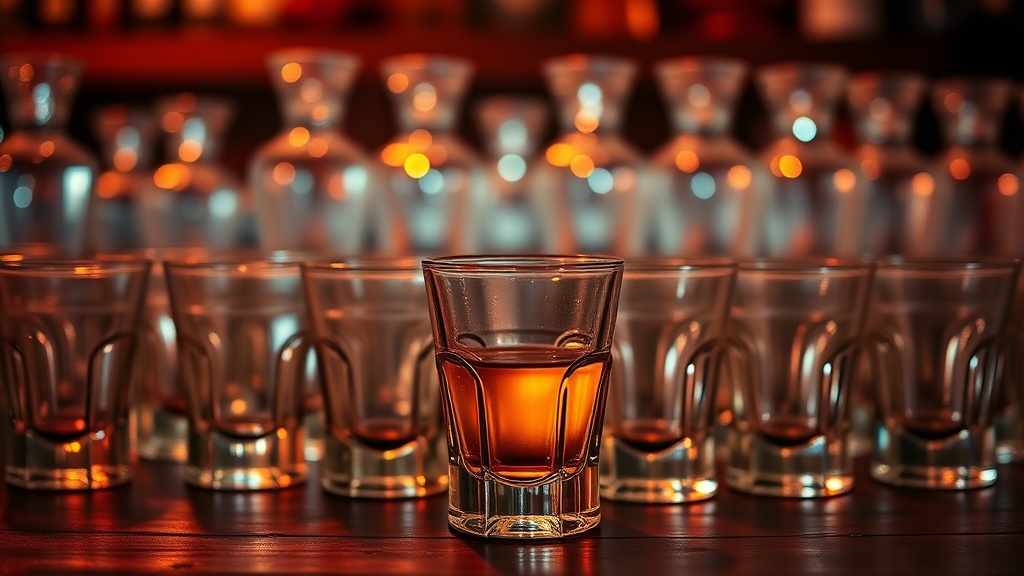
The Ultimate Guide to Collecting Vintage Shot Glasses

Vintage shot glasses represent one of the most accessible entry points into collectibles. They're small. They're affordable. And they carry stories from bars, distilleries, tourist traps, and corporate events spanning over a century. This guide covers everything needed to start a collection: what makes a shot glass valuable, where to find authentic pieces, how to spot reproductions, and the best ways to display a growing collection.
What Makes a Vintage Shot Glass Valuable?
Rarity, condition, and provenance drive value in the shot glass market. A standard promotional glass from a 1990s chain restaurant? Worth a dollar—maybe. But a hand-painted glass from a Prohibition-era speakeasy? That could fetch several hundred dollars at auction.
Material matters too. Early shot glasses (pre-1950s) were typically heavier, often made from thicker glass or crystal. Look for pontil marks on the base—those rough, circular scars left by glassblowing rods. Machine-made glasses from the 1960s onward lack these telltale signs.
Here's the thing about advertising glasses: they weren't meant to last. Businesses gave them away freely, so surviving examples from defunct companies carry premium prices. A shot glass from the Sazerac Company dating to the 1940s commands serious interest among whiskey collectors. Similarly, glasses featuring extinct airline logos (Pan Am, TWA, Braniff International) or closed Las Vegas casinos have dedicated followings.
Condition grading follows standard collectibles protocol:
| Grade | Description | Value Impact |
|---|---|---|
| Mint | No flaws, original packaging intact | 100% of market value |
| Excellent | Minor wear, no chips or cracks | 75-90% of market value |
| Good | Visible wear, minor rim chips | 40-60% of market value |
| Fair | Significant damage, faded graphics | 10-25% of market value |
| Poor | Cracks, major chips, illegible text | Minimal value—display only |
Where Can You Find Authentic Vintage Shot Glasses?
Estate sales, flea markets, and specialized online marketplaces offer the best hunting grounds for genuine vintage pieces. Avoid the tourist-shop reproductions labeled "vintage-style"—those aren't collectibles, they're decorations.
For serious collectors, eBay remains the largest marketplace. Filter by "vintage" (pre-1990) and study seller ratings carefully. The platform's sold listings feature shows actual prices paid—not asking prices—which helps calibrate valuation instincts. Worth noting: many sellers misdate glasses, so independent verification matters.
Etsy offers curated selections from established dealers. Prices run higher than eBay, but descriptions tend to be more accurate. Look for sellers with detailed photography showing base marks, rim condition, and any maker's stamps.
Physical hunting grounds include:
- Estate sales — Often sold in lots, sometimes overlooked entirely. Arrive early on the first day for best selection, or negotiate bulk discounts on closing day.
- Antique malls — Dealer booths vary wildly in pricing. The same glass might cost $5 in one booth and $25 two rows over. Comparison shopping pays.
- Flea markets — Cash-only transactions, haggling expected. The thrill of the hunt comes with higher risk of reproductions.
- Distillery gift shops — Modern collectibles, yes, but limited editions from Jack Daniel's or Buffalo Trace appreciate reliably.
The catch? Shipping glass is risky. Request multiple photos, ask about original packaging, and factor insurance into your maximum bid. A $50 glass isn't a bargain if it arrives in pieces.
How Do You Spot Fake or Reproduced Shot Glasses?
Reproductions flood the market—and they're getting better. Knowing the tells separates valuable finds from worthless knockoffs.
Start with the base. Authentic vintage glasses show wear patterns: faint scratches, minor clouding from decades of setting on bar tops. Reproductions look too clean, too crisp. The glass itself feels different—modern manufacturing produces lighter, thinner walls.
Printing methods changed over time. Older glasses (1940s-1970s) typically feature screen-printed or fired-on graphics that sit slightly raised on the surface. Modern digital printing lies flat and can achieve photographic detail impossible in earlier eras. Run a fingernail across the design—texture indicates age.
Maker's marks help verification. Federal Glass, Anchor Hocking, Libbey—these companies stamped their bases with distinctive logos during specific periods. Reference guides like Collector's Guide to Shot Glasses by David A. Wright document these markings comprehensively.
Watch for these red flags:
- "Vintage-style" labeling — The word "style" means reproduction. Period.
- Perfect condition on supposedly old items — A 1950s glass should show some age. Suspicion is warranted when the paint looks fresher than your car.
- Impossible combinations — Disney characters on 1930s-style glasses (Disney didn't license shot glasses then). NASCAR logos on pre-1950 designs.
- Uniform bulk listings — Twenty "vintage" glasses from the same obscure brand, all identical? Those are promotional leftovers, not collectibles.
That said, not all reproductions are worthless. Some—like the 1980s reissues of classic Coca-Cola designs—have developed their own modest followings. Just don't pay vintage prices for them.
Building a Themed Collection
Most successful collectors specialize. A focused collection tells a story—and typically appreciates faster than random accumulation.
Geographic themes dominate the hobby: shot glasses from every U.S. state, from national parks, from countries visited. Some collectors chase specific decades—the neon-soaked 1980s, the Mad Men era of the 1960s. Others focus on subjects: nautical themes, sports franchises, political campaigns, or rock bands.
The hardcore enthusiasts pursue "souvenir glasses" from closed establishments. Every demolished hotel, bankrupt airline, or defunct restaurant represents finite supply. When the Riviera Hotel & Casino closed in Las Vegas (2015), its branded shot glasses tripled in value within months.
Here's a practical approach for beginners:
- Pick a theme narrow enough to be completable (all 50 states) rather than impossibly broad (everything from Europe)
- Set a monthly budget and stick to it—$50 builds an impressive collection over two years
- Document acquisitions: date purchased, source, price paid, estimated era
- Photograph everything—insurance claims require proof, and online communities love show-and-tell
Display and Storage Solutions
Shot glasses deserve better than a dusty box in the closet. They're designed for display—and their small size makes them perfect for spaces where larger collectibles won't fit.
Wall-mounted shadow boxes with individual slots prevent glasses from touching (reducing wear) while creating visual impact. IKEA's BESTÅ series, fitted with glass doors and custom shelving, accommodates larger collections affordably. For premium displays, custom LED-lit cases from specialty manufacturers highlight the colors and graphics.
Storage considerations matter long-term:
| Environment Factor | Risk | Solution |
|---|---|---|
| Direct sunlight | Faded graphics, weakened glass | UV-protective display cases or indirect lighting |
| High humidity | Clouding, base corrosion | Silica gel packets in closed storage |
| Temperature swings | Stress fractures | Climate-controlled rooms, avoid attics/basements |
| Stacking | Rim chips, stuck glasses | Individual compartments or soft separators |
Worth noting: never store shot glasses nested inside each other long-term. The pressure creates micro-abrasions that degrade condition. If space demands stacking, place acid-free tissue between each glass.
Joining the Collector Community
Shot glass collecting isn't a solitary pursuit. Online forums, Facebook groups, and annual conventions connect enthusiasts who share knowledge, trade duplicates, and validate finds.
The Shot Glass Collectors Club maintains a membership database and publishes a quarterly newsletter covering market trends, authentication tips, and member spotlights. Regional shows—particularly in Las Vegas and Atlantic City—draw hundreds of collectors for trading and educational seminars.
Noah Vega's Vancouver-based community exemplifies the modern approach: online-first with periodic meetups, emphasizing education over accumulation. New collectors benefit enormously from mentorship—experienced hands can spot reproductions instantly and often have duplicates to trade at fair prices.
Start small. Learn continuously. Enjoy the hunt more than the acquisition. The best collections aren't built quickly—they're curated over years, each glass carrying a story of where it came from and why it mattered enough to bring home.