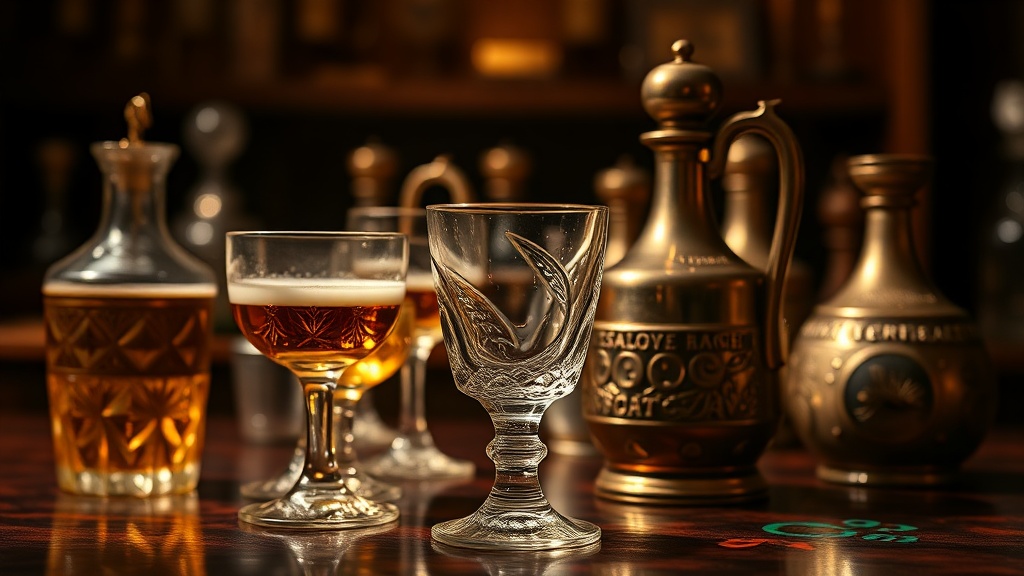
Forgotten Traditions of the World's Most Famous Drinking Vessels

Ancient Ritual Pouring Vessels
The Evolution of the Miniature Vessel
Cultural Rituals and Small Sips
Did you know that the standard 1.5-ounce shot glass used in most bars today wasn't the universal standard for much of the 20th century? For decades, the size and shape of drinking vessels varied wildly based on regional laws and local customs. This post examines the lost traditions behind iconic glassware—from the heavy lead crystal of the Victorian era to the mass-produced novelty shots of the 1970s—and why these design shifts matter to modern collectors.
Why Do Vintage Shot Glass Designs Vary So Much?
The primary reason for design variation lies in the intersection of local manufacturing capabilities and regional alcohol laws. Before globalized shipping became the norm, a collector in London would encounter completely different glass shapes than someone in New York. In the UK, many traditional vessels were designed with thicker walls to withstand the temperature shifts of a drafty pub, whereas American novelty shots often prioritized vibrant colors and themes to drive sales in tourist-heavy areas.
If you're looking at a collection of mid-century glassware, you'll notice a distinct lack of uniformity. This isn't an accident. Manufacturers used specific molds to denote different tiers of quality. A heavy, etched crystal shot glass wasn't just a vessel; it was a status symbol for high-end lounges. On the other hand, the brightly colored, thick-walled "party shots" of the 1960s were built for durability and cheap production. It’s a fascinating way to track how much the social perception of "drinking culture" changed over a century.
Collectors often find that the most valuable pieces aren't the ones that look the "best" by modern standards, but the ones that represent a specific, fleeting era of manufacturing. For instance, the transition from hand-blown glass to machine-pressed glass left behind some incredible transitional pieces that collectors still hunt for today. If you want to ensure you aren't buying a modern reproduction, you should look into the history of glassblowing techniques to understand the subtle tells of hand-worked glass.
The Rise of the Novelty Era
By the 1970s, the drinking vessel had moved away from the "formal lounge" aesthetic and toward the "novelty" aesthetic. This era introduced the heavy-duty, thick-walled shot glasses that many of us still see in thrift stores today. These weren't meant for sipping fine brandy; they were meant to survive a rowdy night at a dive bar. The designs became more aggressive—think shapes that looked like skulls, animals, or even miniature versions of popular consumer products.
This era changed the way people collected. It wasn't just about having a nice set of crystal; it was about having the weirdest, most eye-catching item on the shelf. This shift is a great way to practice spotting quality in vintage glassware, as you have to distinguish between a genuine 1970s novelty piece and a modern, cheap imitation made of lightweight plastic or thin glass.
How Much Are Rare Vintage Shot Glasses Worth?
The value of a vintage shot glass depends almost entirely on its rarity, its condition, and its historical significance to a specific brand or culture. A common, mass-produced shot glass from a major distillery might only fetch a few dollars, but a rare, hand-etched piece from a defunct European brand can reach hundreds. Collectors don't just pay for the glass; they pay for the story behind it.
To give you a better idea of the market, I've put together a quick breakdown of how different categories typically price out in the current secondary market:
| Category | Typical Material | Average Value (USD) | Key Value Driver |
|---|---|---|---|
| Mid-Century Modern | Thick Colored Glass | $15 - $45 | Color rarity/design |
| Victorian/Early 20th | Etched Lead Crystal | $50 - $200+ | Intricacy of etching |
| 1970s Novelty | Heavy Pressed Glass | $10 - $30 | Subject matter (e.g., pop culture) |
| Branded Distillery | Standard Glassware | $20 - $100+ | Brand name/Era |
It's worth noting that "value" is subjective. A piece that is technically "ugly" by modern standards might be a unicorn for a specialized collector. For example, a shot glass produced by a small, defunct distillery in the Appalachian region might be worth significantly more to a niche collector than a high-quality piece of generic crystal. This is where the real fun begins—finding those tiny, overlooked details that make a piece special.
What Makes a Shot Glass a "Collector's Item"?
A piece moves from being "just a glass" to a "collector's item" when it possesses a unique combination of rarity, historical context, and aesthetic appeal. It isn't just about being old. A 1990s shot glass of a popular cartoon character might be "old," but it lacks the historical weight of a 1920s vessel that reflects the social norms of that time. True collectors look for things that tell a story about the era they were made in.
There are three main pillars to a strong collection:
- Material Integrity: Is it hand-blown, machine-pressed, or molded? The manufacturing process often dictates the value.
- Thematic Consistency: Does the piece fit into a larger narrative? Whether it's a specific brand or a certain era of design, a cohesive theme makes a collection much more interesting.
- Provenance: Knowing where the glass came from and how it was used adds a layer of depth that a simple "gift shop" piece can't match.
If you're just starting out, don't feel like you need to buy the most expensive items right away. In fact, I'd recommend focusing on a specific theme. Once you have a theme, you'll naturally start to notice the subtle differences in production quality. This is a skill that takes time to build. You'll eventually be able to look at a piece and know immediately if it's a high-quality vintage item or a modern "reproduction" meant to look old. It's a bit like learning a language—the more you see, the more the patterns become obvious.
One thing I've noticed is that many people overlook the "smalls"—the tiny items like bottle caps or miniature bottles that often accompany these drinking traditions. These can be just as collectible as the glasses themselves. If you're looking to display these items, you'll want to consider setting up a themed display that highlights both the glassware and the smaller accompanying pieces. It creates a much more immersive experience for anyone viewing your collection.
The transition from the formal, high-end glassware of the early 20th century to the mass-marketed, novelty-driven items of the late 20th century represents a massive shift in how society views drinking. We moved from the ritual of the "sip" to the spectacle of the "shot." This change is etched into the very glass we collect today. Every chip, every unique color, and every strange shape is a footprint of a different way of living. Keep looking for those footprints—they're often much more interesting than the glass itself.