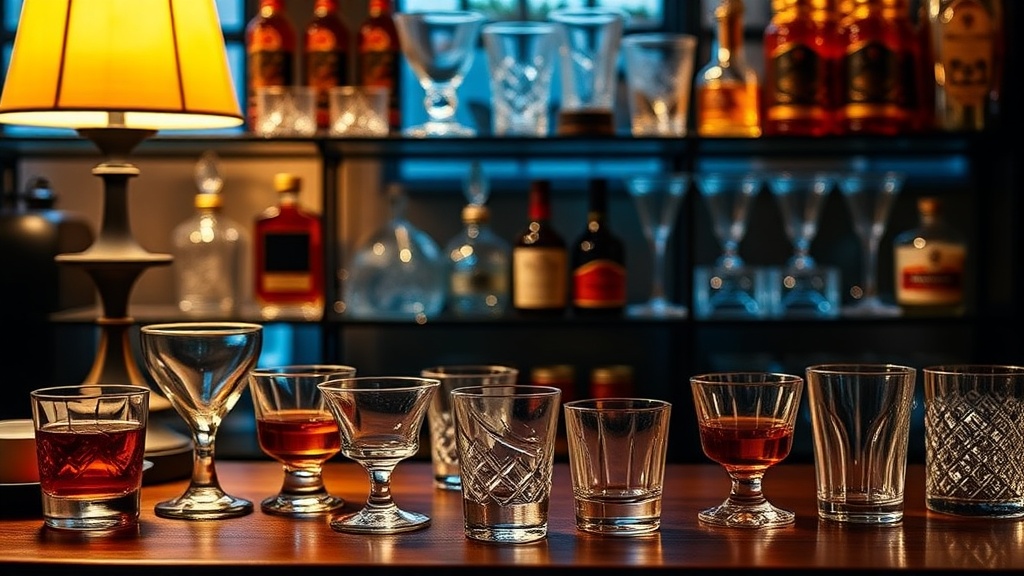
Setting Up a Themed Display for Your Shot Glass Collection

Have you ever stared at a shelf of mismatched shot glasses and wondered why they look like a cluttered mess instead of a curated collection? A themed display turns a pile of glass into a visual story. This post explains how to organize your shot glasses, bottles, and small collectibles by theme, color, or era to create a professional-looking display in your home.
How Do I Choose a Theme for My Collection?
A theme is a central concept—like a specific brand, a geographic region, or a color palette—that ties disparate items together. You don't need to stick to one single category, but having a loose direction prevents your display from looking like a junk drawer. Most collectors find success by grouping items that share a common thread.
Common themes include:
- Regional/Travel: Grouping shot glasses from specific places like Mexico (tequila shots), Ireland (whiskey shots), or local Vancouver breweries.
- Era-Specific: Focusing on a decade, such as 1950s mid-century modern glassware or 1970s psychedelic designs.
- Brand/Manufacturer: own: Displaying only items from a specific maker like Libbey or vintage promotional glass from brands like Coca-Cola.
- Subject Matter: Organizing by motifs like nautical themes, wildlife, or pop culture icons.
If you're stuck, look at your largest "anchor" piece. Maybe you have a heavy, decorative glass decanter or a large branded bottle. Use that as your centerpiece and build the smaller shot glasses around it. It gives the eye a place to rest.
The catch is that themes can change as you acquire new pieces. You might start with a "Beach" theme and realize you've actually collected way too many "Desert" themed items. That's fine—just pivot your layout.
What Are the Best Display Methods for Shot Glasses?
The best display method depends on your available space and the fragility of your pieces. You have to balance aesthetics with the reality of gravity—glass is heavy and breaks easily.
There are three main ways to display your collection:
- Tiered Shelving: Using acrylic or wooden steps allows you to see the back row without the front row blocking the view. This is great for standard shot glasses.
- Wall-Mounted Racks: These are perfect for saving surface space. You can find specialized wooden racks designed specifically for shot glasses that keep them upright and secure.
- Shadow Boxes: If you collect smaller "smalls" or tiny bottles, a shadow box keeps dust out and prevents accidental bumps from knocking things over.
When choosing a method, consider the weight of your items. A heavy, thick-walled shot glass from the 1960s carries more weight than a modern, thin-stemmed glass. If you're using wall mounts, make sure they are rated for the weight of your specific collection. If you aren't sure about the weight or quality of your pieces, you might want to check out my guide on spotting quality in vintage glassware to ensure your display is built on high-quality items.
Also, don't forget about the light. Lighting can make or break a display. You'll want to look into choosing the right lighting so you don't accidentally create harsh glares or heat buildup near your glass.
Display Comparison Table
| Display Type | Best For... | Pros | Cons |
|---|---|---|---|
| Acrylic Tiers | Standard Shot Glasses | Great visibility; modern look. | Can look "cheap" if not high quality. |
| Wooden Shelves | Heavy Bottles & Decanters | Sturdy and classic. | Requires more depth in your room. |
| Shadow Boxes | Small Caps & Smalls | Protects from dust/touching. | Limited capacity for larger items. |
How Do I Organize by Color and Shape?
Color-coding is a shortcut to a professional look. Even if your items aren't from the same era or place, a gradient of color creates a sense of order. If you have a collection of blue-toned glassware, grouping them together creates a "visual rhythm."
Shape is the second most important factor. A display that mixes tall, thin bottles with short, stout shot glasses can look chaotic if not handled correctly. Try to use height to your advantage. Place your tallest items—like a vintage whiskey bottle or a tall shot glass—in the back. Use your smallest, most intricate pieces in the front. This creates a "stadium seating" effect for your collection.
It's a common mistake to crowd the shelves. If your items are touching too much, they'll clink together every time someone walks by or a door slams. This can lead to micro-scratches or, even worse, chips. Leave a little breathing room between each piece. It makes the collection look more expensive and intentional.
One thing to watch out for is the "clutter creep." As you find more cool items, the temptation is to just shove them onto the shelf. Don't do it. If you don't have room, it's time to either expand your display or start a second one. A curated collection is always better than a crowded one.
For those who collect more than just glass—like bottle caps or small metal tokens—consider using small pedestals. A tiny plastic or metal stand can lift a flat object and give it the prominence it deserves. This prevents your "smalls" from getting lost in the shadows of larger bottles.
When you're done setting up, take a step back. Walk to the other side of the room. Does the collection still look organized, or does it look like a pile of glass? If it looks like a pile, you need more structure. Add a label or a small descriptive tag if you want to go the extra mile. This is especially helpful for collectors who enjoy explaining their pieces to guests.
If you're worried about the longevity of your display, remember that cleanliness is part of the aesthetic. A dusty bottle looks neglected, not vintage. Make sure you know how to clean and preserve your collection so that your display stays bright and clear without the buildup of grime or fingerprints.
Steps
- 1
Identify Your Core Themes
- 2
Group by Color or Era
- 3
Select Appropriate Shelving
- 4
Add Accent Lighting