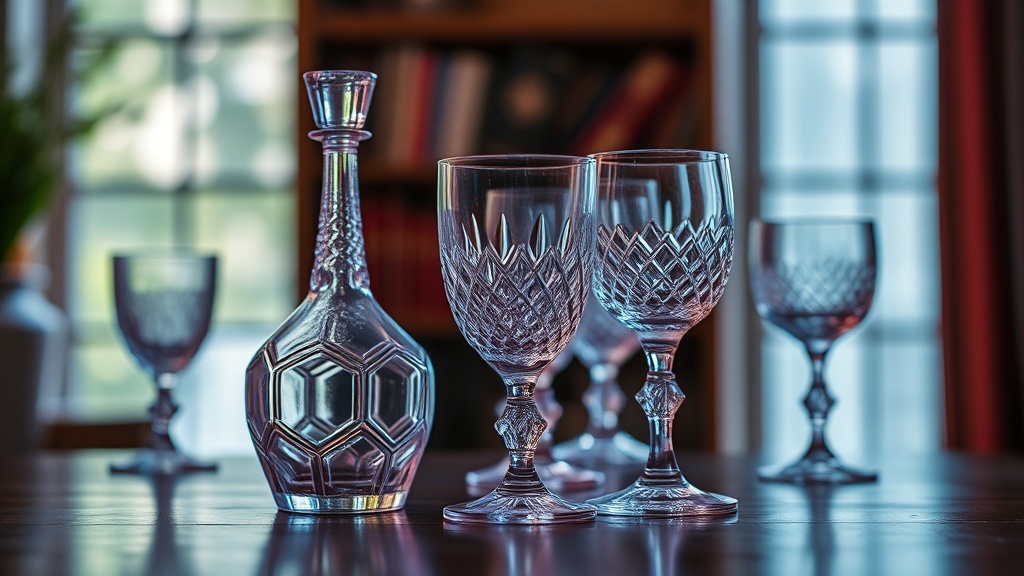
Safe Unboxing for Fragile Vintage Glassware

Quick Tip
Always use double-boxing techniques and high-quality bubble wrap to ensure fragile glass survives the journey.
Ever felt that pit in your stomach when a heavy package arrives at your door, knowing there's a fragile vintage shot glass inside? Unboxing high-value glass requires more than just a sharp knife and a bit of luck. This post covers the specific steps you need to take to unpack delicate collectibles without risking a hairline fracture or a complete shatter.
How do I unpack fragile glass safely?
You should always unpack items slowly and methodically, never rushing the process. Most collectors make the mistake of hacking through heavy-duty tape and slicing into the cardboard too deeply. If you're too aggressive, you might actually slice through the very item you're trying to reach.
Start by using a safety cutter or a small pair of scissors to slit the tape. Once the top flaps are open, don't just reach in blindly. You'll want to feel for the edges of the box to ensure you aren't grabbing a piece of glass through a layer of bubble wrap—it's a way to avoid accidental breakage.
Here is a quick checklist for a safe unboxing:
- Check the weight: Feel the box before opening to see if anything shifts or rattles.
- The "Squeeze Test": Gently press the sides of the box to see if there's significant "give" (which usually means too much empty space).
- Clear the area: Make sure your workspace is flat and free of debris.
- Use a tool: Use a blunt letter opener instead of a sharp kitchen knife for the final layers.
What materials should I use for shipping glassware?
The best materials for protecting vintage glass include double-walled corrugated boxes, small-cell bubble wrap, and biodegradable packing peanuts. If you're the one sending a piece—say, a rare shot glass—the goal is to prevent any movement inside the container.
I've seen too many collectors receive items that were simply wrapped in a single layer of paper. That's a recipe for disaster. If you want to see how to properly display and protect your items once they arrive, check out my guide on how to display your collection. Proper storage and handling are two sides of the same coin.
| Material | Best Use Case | Protection Level |
|---|---|---|
| Bubble Wrap | Wrapping individual pieces | High |
| Packing Peanuts | Filling empty voids | Medium |
| Corrugated Cardboard | Outer structural integrity | Very High |
How much padding is enough for vintage glass?
A minimum of two inches of padding on all sides of the item is the gold standard for shipping. If you can shake the box and feel even a tiny bit of movement, you haven't used enough material.
The catch isn't just about the amount of padding; it's about the quality. Using cheap, thin bubble wrap might feel fine in the moment, but it won't withstand the vibrations of a delivery truck. Always prioritize a "box within a box" method for your most expensive or fragile finds. It's better to be over-prepared than to be staring at a pile of colored glass shards.